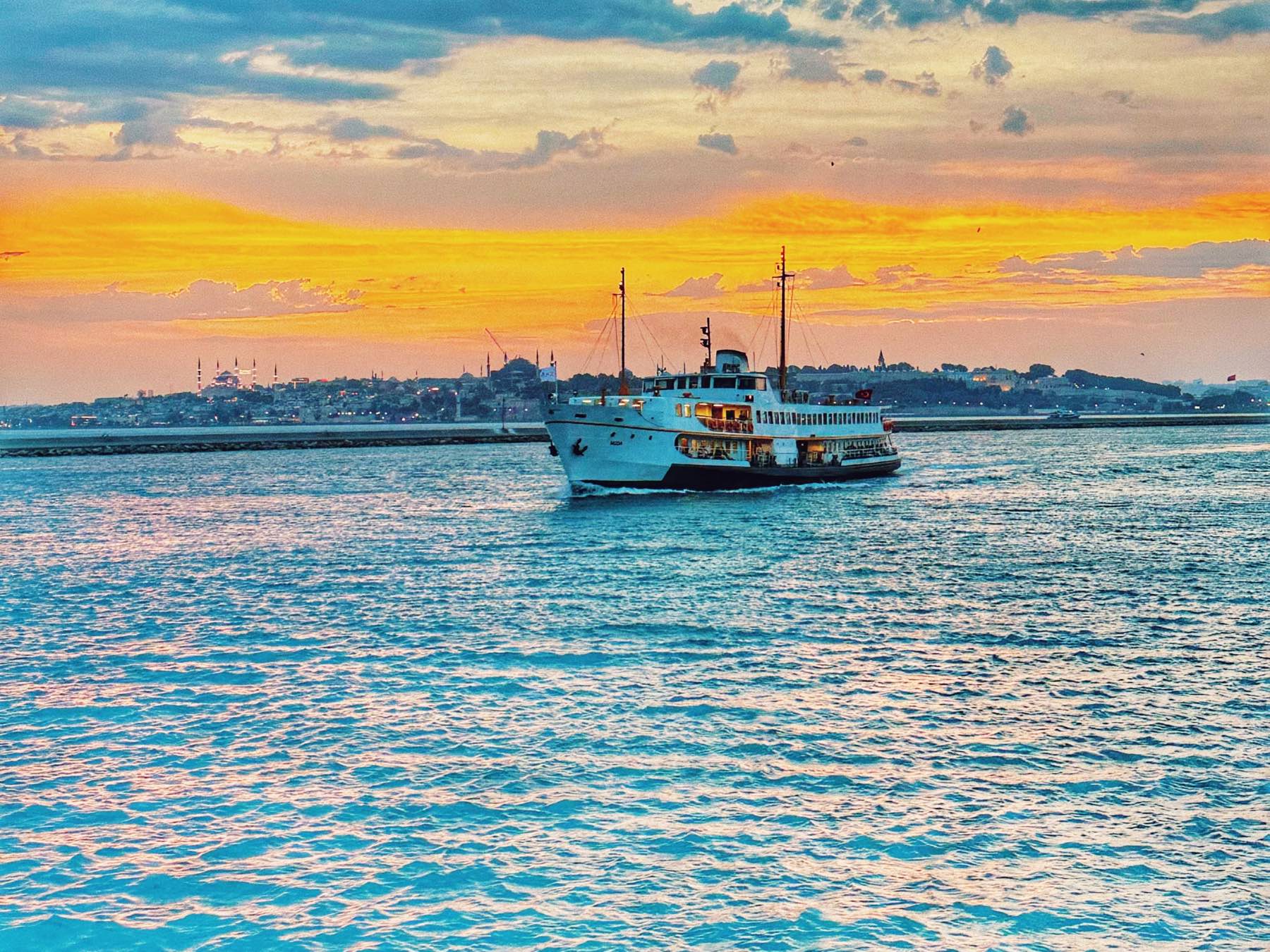
The short answer. Two days is enough for a first visit to Istanbul. Spend the first on the historic peninsula — Hagia Sophia, the Blue Mosque, the Hippodrome, the Grand Bazaar, and either Topkapi Palace or the Basilica Cistern — and the second crossing the Bosphorus to the Asian side, either on a food tour or through the local neighborhoods and markets. Take the monuments first, while your legs are fresh. Everything below is how we build those two days, and how guests change them.
Two days is the length most people end up with in Istanbul. It is what fits either side of a connecting flight, or what a longer trip through Turkey can spare before Cappadocia, or simply what the annual leave allowed.
It is also, quietly, our most booked itinerary.
Two days is enough. But two days has no slack in it, and that changes how you should plan. On a week-long trip a wasted afternoon costs you an afternoon. On a two-day trip it costs you a quarter of everything you came for.
What follows is what we recommend, not what we impose. Both days are private and both are yours to shape — this is simply the shape that works best for most people seeing Istanbul for the first time.
The short version
Day one, the Old City. Hagia Sophia, the Blue Mosque, the Hippodrome, the Grand Bazaar, and your choice of Topkapi Palace or the Basilica Cistern.
Day two, cross the water. Either a food tour that eats its way from Europe to Asia, or the Two Continents route through the local neighborhoods and markets on both shores.
Between them the two days give you both halves of Istanbul: the historic must-see monuments on one, and the neighborhoods, markets and everyday life on the other. That balance is the whole point of taking two days rather than one.
We suggest that order. Day one is the heaviest, so it sits better at the front while your legs are fresh, and the fifteen centuries of history you pick up there are what make day two legible.
What two days cannot stretch to is a Bosphorus cruise — and the water is the third great thing about Istanbul, after the monuments and the food. If a boat at sunset is high on your list, you want three days rather than two.
Day one: the Old City, and how much of it is up to you
For a first visit we recommend the Old City, and the reason is geography as much as history. The historic peninsula is where Constantinople stood, and very nearly everything that made this city matter happened within a mile of one square, which means a great deal of it is walkable in a day.
Hagia Sophia goes first. Cathedral, then mosque, then museum, then mosque again, across fifteen hundred years. Standing beneath that dome is the moment most people stop thinking of Istanbul as a holiday destination and start thinking of it as somewhere very old.
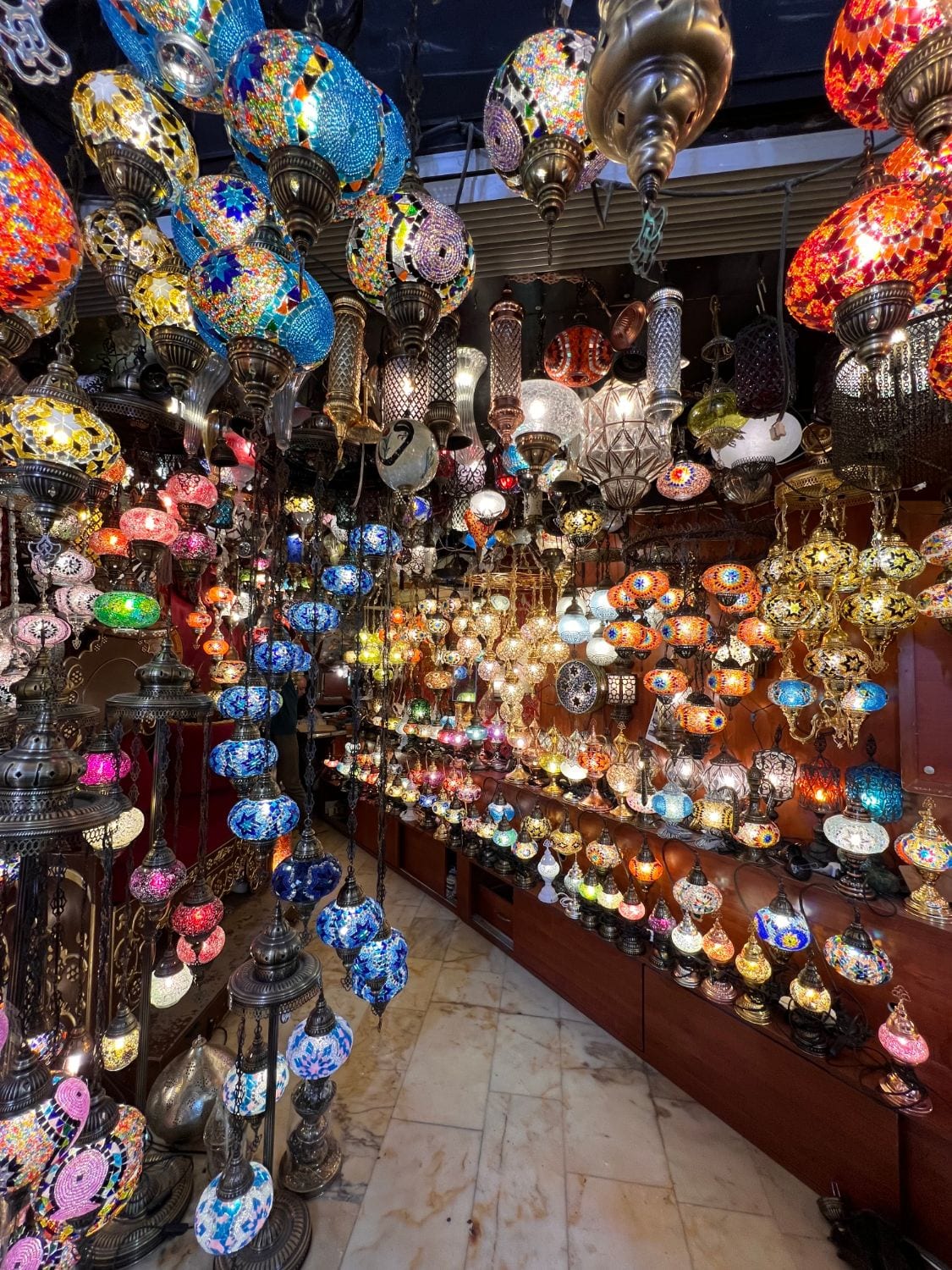
Then the Blue Mosque across the park, with its cascade of domes and the Iznik tiles that gave it the name in English. Between the two lies the Hippodrome, where the chariot races ran, and where Egyptian obelisks still stand in the open air, walked past by people on their way to somewhere else. And the Grand Bazaar to finish, sixty covered streets of carpets, lamps, gold and spice, all of it far easier with someone who knows which lane to turn down.
Topkapi Palace or the Basilica Cistern?
The choice inside day one is not about time. It is about what interests you.
Topkapi Palace is the seat of the Ottoman sultans: courtyards, the Harem, the imperial treasury. It is a museum in the fullest sense, room after room of objects and dynastic history, and it rewards you in proportion to how much of that history you want. If the Ottoman centuries are the reason you came to Istanbul, this is the one.
The Basilica Cistern is something else entirely — a sixth-century underground water reservoir, hundreds of columns rising out of shallow water under soft light, built to supply the palaces above. It is relaxed and unhurried, and there is genuinely nothing else like it. Guests who would rather be struck by one extraordinary place than work through a great deal of history almost always prefer it.
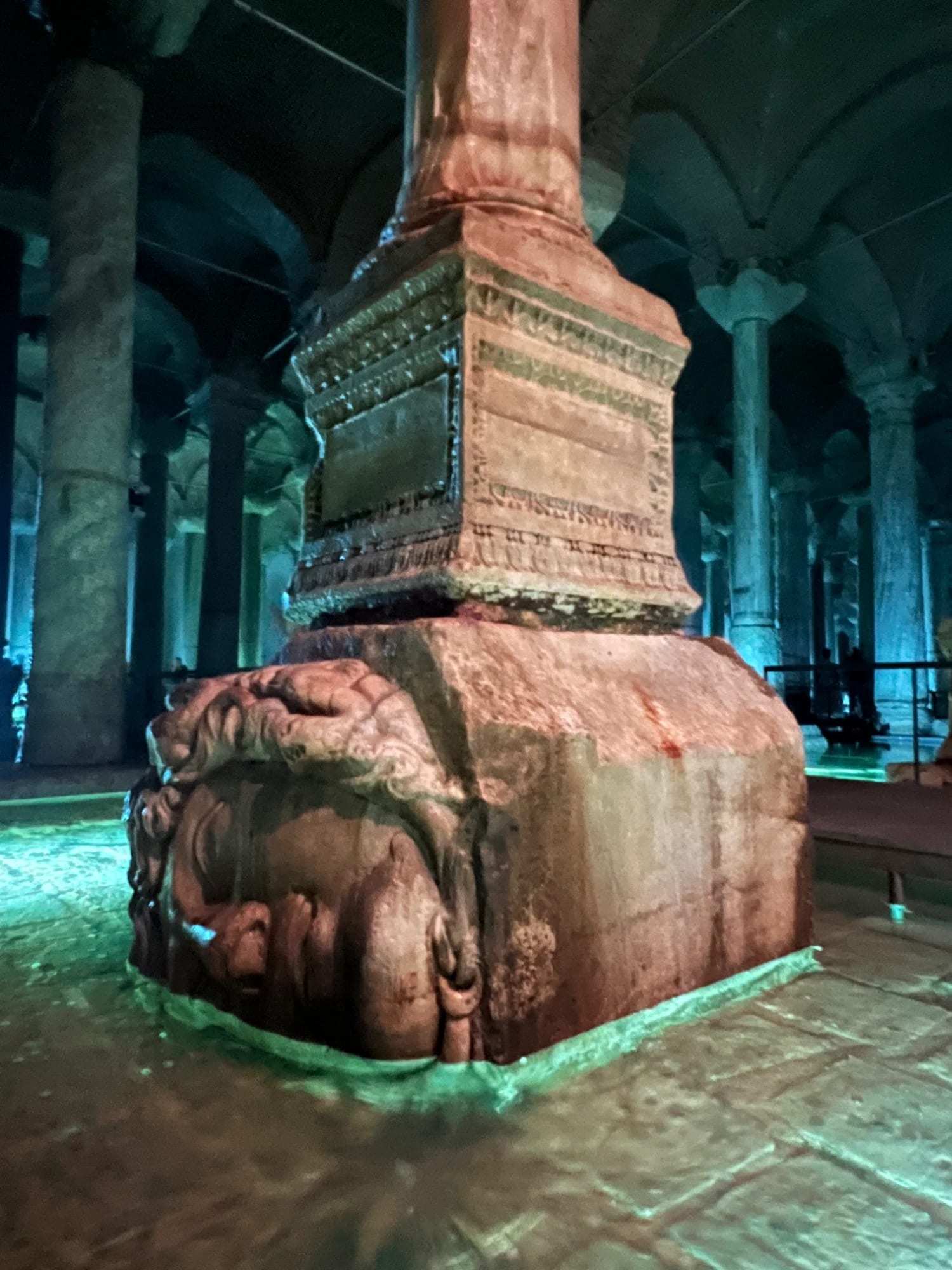
So: Topkapi if you want the history, the Cistern if you want the experience. Neither is the wrong answer, and the entrance fees are included in your day either way.
And if the standard Old City day is not what you want
Then we build you a different one. The route above is what we recommend to first-time visitors, not a fixed program, and a fair number of guests change it.
People who have been to Istanbul before often drop Sultanahmet almost entirely and spend day one on the Suleymaniye Mosque, the Chora and the old walls, or in Balat and Fener. Guests traveling with children usually want the Cistern and not the palace. Some want a single monument done slowly rather than four done briskly. Architects want the Sinan mosques. More than one guest has asked to spend the morning in the Grand Bazaar and nowhere else.
All of that is fine, and none of it costs more. Tell us what interests you when you inquire and day one is rebuilt around it.
Day two: the choice that shapes the trip
Whatever shape day one takes, day two is the one that decides what kind of trip you have had.
By the end of day one you will have seen the Istanbul of empires. What you will not yet have seen is the Istanbul of some twenty million people who live here now. That is what day two is for, and it is why day two crosses the Bosphorus to the Asian side — a twenty-minute ferry ride, and the single best value in the city.
There are two ways to spend it. Both are private and both cross by ferry. They are genuinely different days, and guests who pick the right one for themselves have a better time.
Take the food tour if the meals are the point
Some people plan a trip around what they will eat. If that is you, this is your second day.
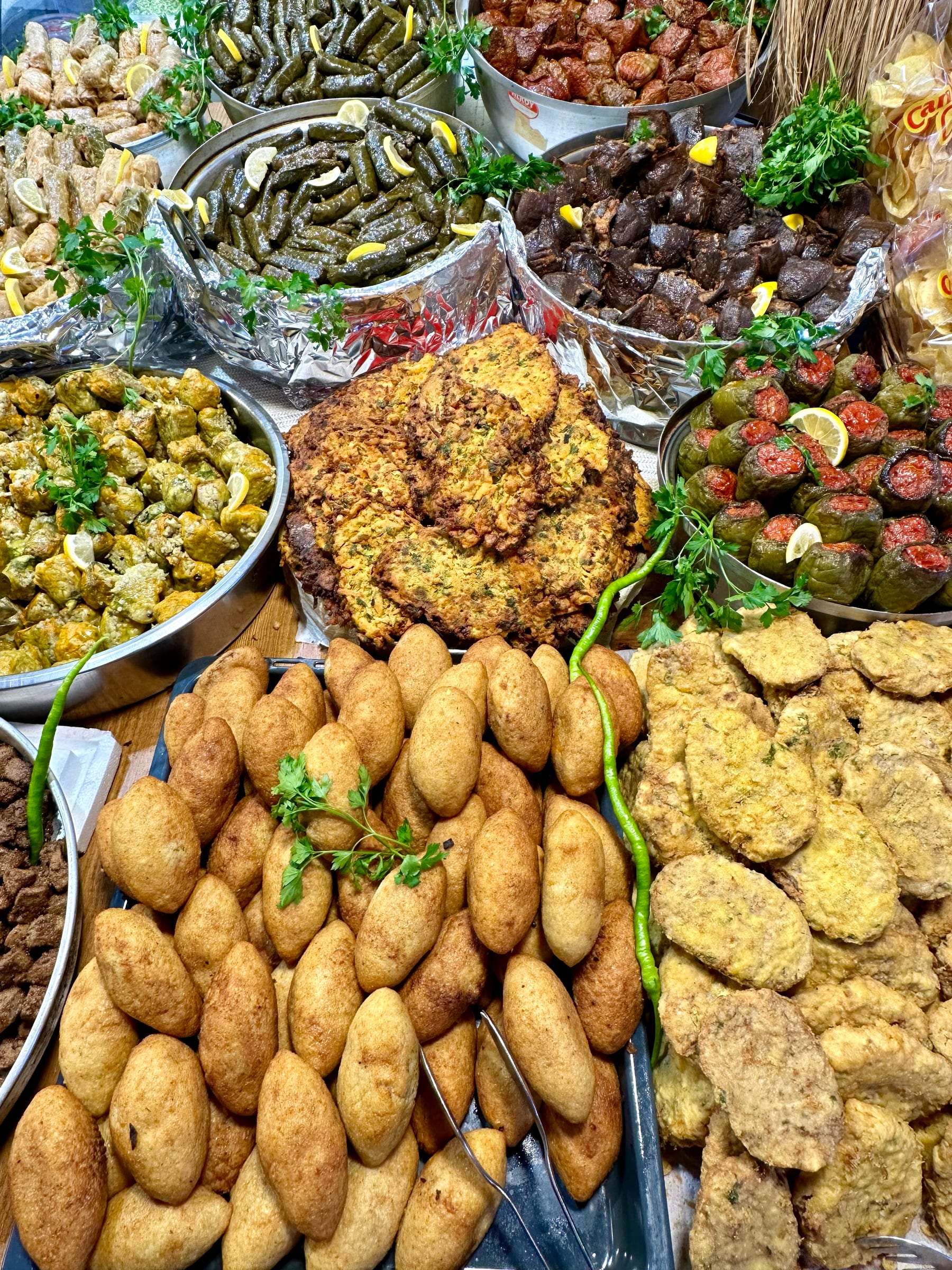
It opens on the European side with a proper Turkish breakfast — cheeses, olives, honey with kaymak, simit, borek and endless tea — which is less a meal than an event.
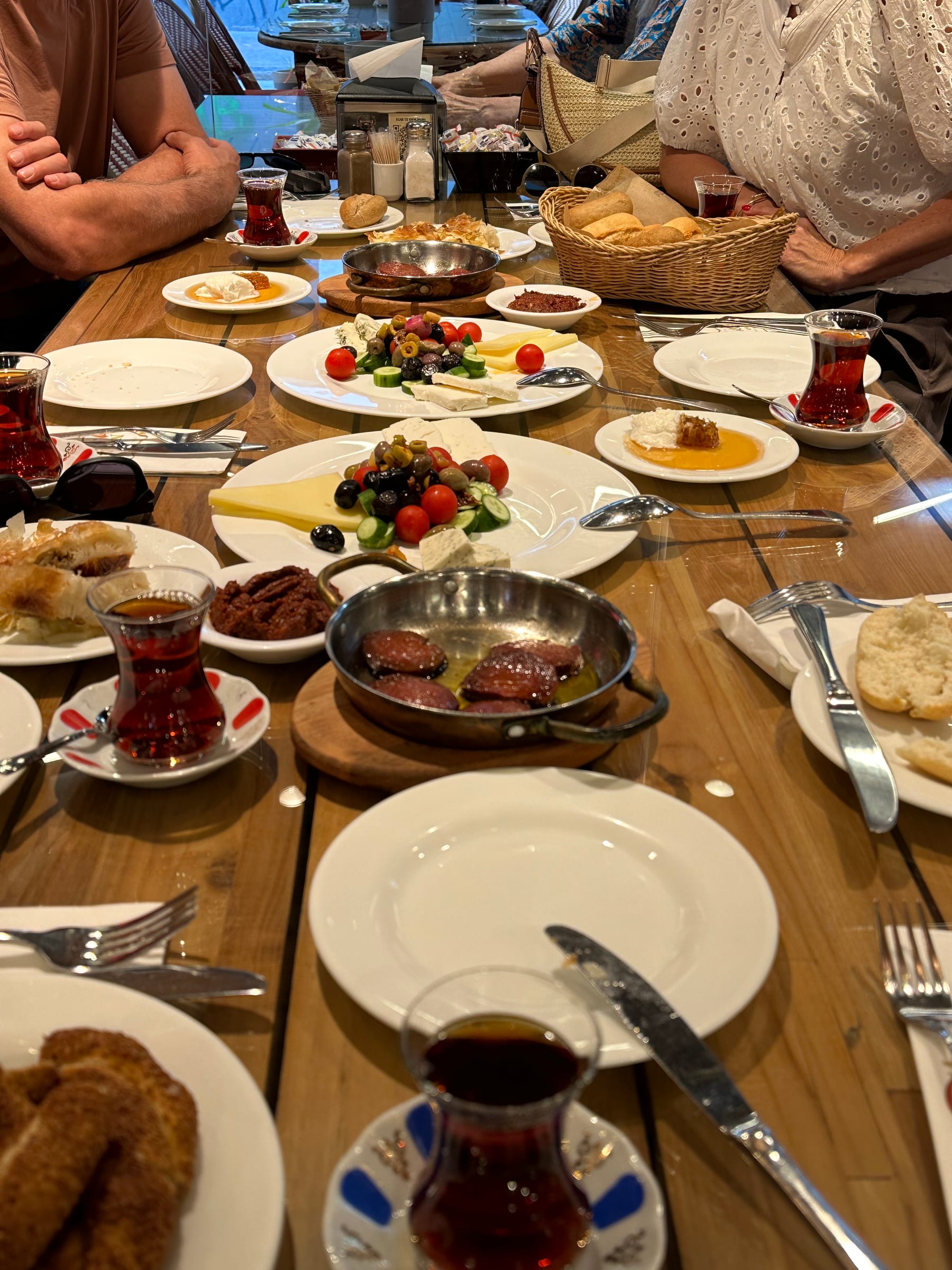
From there it works through the street classics where the queues actually form: balik ekmek, the grilled fish wrap by the water, and then baklava and Turkish ice cream with a proper Turkish coffee.
Then the ferry across the Bosphorus to the Asian side, which is where the tour turns from tasting into eating. You land in the Kadikoy market — the lively fish market, the dried fruits and nuts, a market Istanbul shops in rather than one it shows off. Then a family-run traditional Turkish restaurant, the kind that serves the slow-cooked home dishes that rarely appear on an English menu, with plenty of vegetarian and vegan choices. And the kebabs come here too, at an authentic kebab restaurant where they have spent decades perfecting a single thing.
Practical notes, because they matter: the tastings and non-alcoholic drinks are included in the price. If you would like a glass of raki, wine or beer along the way, several of the stops serve them. Vegetarian, vegan and gluten-free guests are looked after properly, not grudgingly — tell us when you book and the route adjusts. And come genuinely hungry.
Take Two Continents if you want to see how the city lives
If you would rather walk than eat, this is the better day.
It begins at Beyazit Square and the Ottoman Book Bazaar, one of the oldest book markets in the city, then drops into Tahtakale, a trading district of shops selling coffee grinders and copper pans to people who need coffee grinders and copper pans. There is the Spice Market or the Grand Bazaar, whichever you prefer on the day — and a small tip here: since day one already gave you the Grand Bazaar, most guests are happier taking the Spice Market on day two. Say so to your guide and it is done.
Then Rustem Pasha Mosque, which is small, easy to miss, and lined with some of the most beautiful Iznik tilework anywhere in Turkey. Istiklal Street and the walk down through Galata, finishing with a rooftop cafe and the view back over the water to the peninsula you spent yesterday in — which is when the geography of Istanbul finally clicks.
And then the ferry to Kadikoy, for the market streets, the fishmongers and the everyday life of the Asian shore.
The two second days, side by side
| Istanbul Food Tour | Two Continents | |
|---|---|---|
| Best for | People who plan trips around meals | People who would rather walk and look |
| The day feels like | Sitting down often, eating steadily | Steady exploring, with tea and ferry breaks |
| European side | Turkish breakfast, street classics, baklava and Turkish coffee | Beyazit Book Bazaar, Tahtakale, the Spice Market or Grand Bazaar, Rustem Pasha Mosque, Istiklal, Galata rooftop |
| Asian side | Kadikoy market, a family-run home-cooked restaurant, an authentic kebab restaurant | Kadikoy market streets and everyday local life |
| Walking | Moderate, broken up by long stops | More ground covered, at a gentle pace with tea and ferry breaks; Galata is a climb |
| Included | All tastings and non-alcoholic drinks, ferry both ways | Licensed guide, ferry crossing between continents |
| Diets | Vegetarian, vegan and gluten-free arranged in advance | No meals included; your guide can recommend where to stop |
If you cannot choose
Tell us what you are like as travelers and we will tell you which one suits you. It is a two-line email and we would much rather have it before you book than hear afterwards that you would have preferred the other day.
For what it is worth, the food tour paired with the Old City is the combination guests book most.
Your two evenings
Two days is also two nights, and they are easy to leave to chance. A guided day ends in the late afternoon, which leaves a long, warm evening that most people have made no plan for at all — and on a trip this short, an evening is a meaningful part of what you came for.
You do not have to fill either of them. Istanbul is a pleasant city to be idle in, and after a day on cobblestones an early dinner and an early night is a perfectly good decision. But if you would like more than that, these are the things we can arrange for you, and each takes an evening rather than a day.
A hamam, after the Old City day. This is the one we suggest most often, and almost always for the first night. The centuries-old ritual of steam, scrub and foam with an attentive bath attendant is the most-loved way to end a day spent walking, and we can reserve it for you in one of the city’s beautiful historic bathhouses. Book it for the evening of day one and you start day two on different legs.
The Whirling Dervish ceremony. The Sema is a meditative Mevlevi Sufi ritual of music, devotion and quiet wonder, and it is an evening rather than a performance. We reserve your seats. It suits the second night well, when you have enough of the city in your head for it to land properly.
You can see both of these, along with the Ebru marbling workshop that families tend to enjoy, on our experiences page. Add any of them when you inquire and we will hold them alongside your two days, rather than leaving you to organize them in the evening on your phone.
Why we would do both days privately
Two days is a narrow window, and how you spend it decides what you take home. There is a longer argument for whether a private tour of Istanbul is worth it, but on a trip this short it comes down to five things.
- The day bends to you. Jet lag on the first morning means a later start. If Hagia Sophia holds you for an extra hour, you stay for the extra hour.
- No shopping stops built into the route, and no commission taken from anybody. What you are shown is what is worth showing.
- A licensed local guide who speaks fluent English, for your group only.
- Entrance fees included on the Old City day, and all tastings included on the food day, with everything listed in writing beforehand so you know exactly what is and is not covered. As a registered Turkish travel agency we also buy your entry in advance rather than queue for it on the morning.
- One clear quote for the pair of days, agreed before you travel, with free cancellation more than fourteen days before the tour.
That is exactly what our Two-Day Istanbul Tour is: a day on foot in the Old City, then your choice of the Food Tour or Two Continents for the second, run by the same team across both days. If you would rather read what the guided version covers hour by hour, we have set the whole thing out in the private two-day Istanbul tour.
Plan your two days
Tell us your dates, who is traveling and what you are most looking forward to. We will send back a private itinerary shaped around your group, a clear quote, and a straight recommendation about which second day suits you. If you are still choosing those dates, the best time to visit Istanbul makes the case for late spring and early autumn, when two days on your feet is a pleasure rather than an endurance test.
Reach us directly by email or WhatsApp, or book the two-day tour online whenever you are ready.
Forty-eight hours, spent in the right order, is a genuine visit to Istanbul rather than a preview of one.